
 By
By Introduction
Jewelry has captivated humankind for thousands of years. More than adornment, it represents tradition, status, artistry, and personal identity. From ancient civilizations to modern designers, jewelry continues to evolve while retaining its emotional and cultural significance.
The Cultural Importance of Jewelry
Jewelry plays a meaningful role across societies, often symbolizing love, wealth, protection, and heritage.
Key Cultural Roles
- Celebratory pieces worn for weddings, festivals, and major milestones
- Religious and spiritual symbols embedded in pendants or charms
- Family heirlooms passed down through generations
- Status and identity markers used historically to indicate rank or community
Popular Types of Jewelry
Jewelry comes in countless forms, each offering its own beauty and purpose.
Common Categories
- Necklaces and pendants that highlight personal style
- Rings symbolizing commitment or achievement
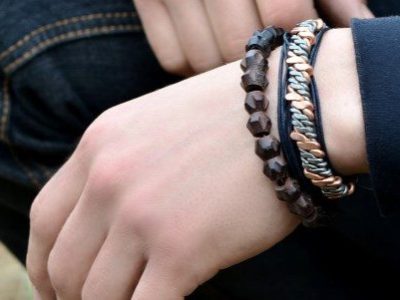
- Bracelets available in classic, charm, and modern styles
- Earrings ranging from minimal studs to bold statement pieces
- Anklets and nose pins found in many cultural fashion traditions
Materials Used in Jewelry Making
Jewelry making relies on a rich variety of metals, stones, and natural elements that add character to each piece.
Common Materials
- Precious metals like gold, silver, and platinum
- Gemstones including diamonds, rubies, emeralds, and sapphires
- Semi-precious stones such as amethyst, topaz, and garnet
- Pearls and corals valued for their natural elegance
- Contemporary materials like stainless steel, resin, and recycled metals
Each material influences durability, price, and overall aesthetic.
Jewelry Trends in the Modern Era
Contemporary jewelry blends tradition with innovation, creating pieces suited for everyday wear and special occasions.
Current Trend Highlights
- Minimalist designs with clean lines
- Vintage-inspired jewelry making a strong comeback
- Personalized pieces featuring names, initials, or birthstones
- Sustainable and ethical jewelry gaining global attention
- Bold statement pieces used to elevate simple outfits
Craftsmanship and Design
Behind every piece of quality jewelry is skilled craftsmanship involving precision and creativity.
Essential Aspects of Craftsmanship
- Handcrafted detailing that ensures uniqueness
- Stone setting techniques for secure and beautiful placement
- Metalworking skills that shape and finish pieces
- Design innovation merging aesthetics with comfort
Artisans often spend years mastering these processes, making fine jewelry both wearable and collectible.
Jewelry as an Investment
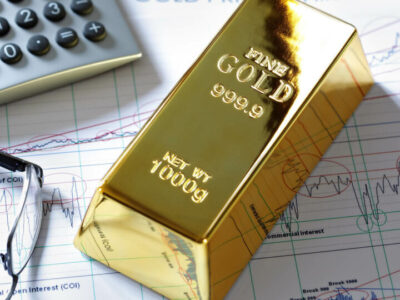
Many people view jewelry not just as adornment but as a long-term asset.
Investment Benefits
- Retains value over time, especially pieces with precious metals and stones
- Can appreciate due to rarity or brand prestige
- Functions as both fashion and financial security
- Often passed down as valuable family heirlooms
The Future of Jewelry
The jewelry industry continues to adopt modern technology and sustainable practices.
Emerging Directions
- Lab-grown diamonds offering ethical and affordable options
- 3D-printed jewelry enabling intricate designs
- Smart jewelry integrating technology with style
- Increased demand for eco-friendly materials and transparent sourcing
These advancements signal a future where jewelry maintains its beauty while becoming more responsible and innovative.
Frequently Asked Questions
1. What factors determine the value of a piece of jewelry?
Value is influenced by materials, craftsmanship, brand reputation, gemstone quality, and rarity.
2. How do lab-grown diamonds differ from natural diamonds?
Lab-grown diamonds share the same physical and chemical properties but are created in controlled environments rather than mined.
3. What jewelry pieces are best for everyday wear?
Minimalist necklaces, simple rings, studs, and lightweight bracelets are ideal for daily use due to comfort and durability.
4. How should jewelry be stored properly?
Store pieces separately in soft-lined boxes or pouches to prevent scratching and tarnishing.
5. What makes handcrafted jewelry special?
Handcrafted pieces offer unique designs, attention to detail, and often stronger emotional or cultural significance.
6. How do I choose jewelry that suits my style?
Consider your wardrobe, personal preferences, skin tone, and the occasions you usually dress for.
7. Why is sustainable jewelry becoming popular?
People are increasingly conscious of ethical sourcing, environmental impact, and fair labor practices in jewelry production.
If you’d like, I can create a PDF version, expand this into a longer guide, or tailor the article to a niche such as gold jewelry, gemstone jewelry, or bridal collections.