
 By
By You know the routine all too well. It begins with a familiar, dull pressure behind your eyes, followed by a relentless drip down the back of your throat, facial tenderness, and nasal congestion that makes breathing feel like an uphill battle. You make an appointment with your doctor, pick up another prescription for antibiotics or a stronger steroid nasal spray, rinse your sinuses with saline twice a day, and wait for relief.
A week later, you feel somewhat better. Yet within a month, the exact same heavy, inflamed feeling returns.
When sinus infections refuse to resolve or recur several times a year, physicians diagnose the condition as chronic rhinosinusitis. Millions of Americans live with this persistent inflammation, cycling endlessly through decongestants, antihistamines, and rounds of pharmaceuticals that provide only temporary reprieve. What few people realize is that the root cause of their suffering is frequently not a stubborn bacterial infection or an uncooperative immune system.
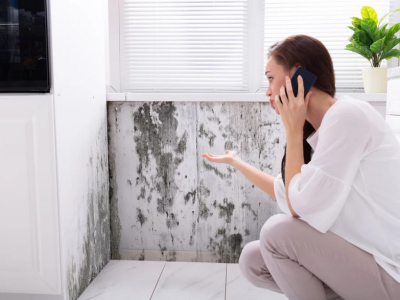
Often, the true culprit is floating quietly through the air inside their own living rooms, bedrooms, and basements. Hidden residential mold is one of the most underdiagnosed environmental triggers of chronic upper respiratory illness, quietly colonizing building materials while bombarding your respiratory system with microscopic toxins day after day.
The Biological Link Between Fungal Spores and Sinus Inflammation
To understand why household mold is so destructive to the sinuses, it helps to examine how the body interacts with airborne fungi. Sinuses are hollow, air-filled cavities within the bones of the face, lined with a delicate layer of mucosal tissue and millions of microscopic hair-like structures called cilia. These cilia beat rhythmically to sweep trapped dust, pollen, and bacteria out through narrow drainage pathways known as ostia.
When mold takes up residence inside a home, it releases microscopic reproductive particles called spores into the air, alongside secondary chemical metabolites known as mycotoxins and volatile organic compounds. Every time you inhale, thousands of these microscopic particles bypass your nasal hairs and settle directly onto the warm, moist lining of your sinuses.
For many people, the body treats these fungal particles not merely as neutral dust, but as an aggressive foreign invader. The immune system launches an intense inflammatory response, flooding the sinus tissue with specialized white blood cells called eosinophils. These cells release cytotoxic proteins meant to destroy the mold, but in doing so, they also strip away the protective lining of the sinuses themselves.
This persistent immune reaction creates a cascade of structural problems inside the nasal passages:
-
Severe tissue edema: The mucosal tissue swells significantly, physically blocking the tiny ostia that allow the sinuses to drain.
-
Ciliary paralysis: Chemical compounds released by mold and the ensuing immune battle paralyze the cilia, stopping mucus clearance altogether.
-
Biofilm formation: Fungal fragments intertwine with residential bacteria to create a protective, slimy matrix known as a biofilm. Biofilms act as microscopic shields, rendering both oral antibiotics and the body’s natural defenses virtually useless.
Once this cycle takes hold, you are no longer dealing with a simple seasonal allergy or a garden-variety head cold. You are experiencing an active inflammatory reaction to an ongoing environmental exposure. Until the source of those airborne spores is eliminated, the sinus tissue remains trapped in an unbroken state of distress.
The Unseen Reservoirs: Where Mold Hides in Plain Sight
Most homeowners assume that if they do not see patches of fuzzy black or green growth climbing up their bathroom tiles, their living space is clean. Unfortunately, the most dangerous mold infestations are almost never out in the open. Mold requires only three things to thrive: darkness, moisture, and an organic food source such as cellulose, drywall paper, wood framing, or carpet backing.
Because modern homes are tightly sealed to maximize energy efficiency, moisture that enters building cavities often has nowhere to go. This trapped humidity creates ideal microclimates for hidden fungal growth.
HVAC and Ductwork Systems
Your heating, ventilation, and air conditioning system is designed to circulate air through every room, making it the most efficient distribution network for mold in the entire house. During hot, humid summer months, air conditioning coils generate significant amounts of condensation. If the drain pan beneath these coils becomes clogged, or if the condensate line backs up, stagnant water sits inside the dark mechanical cabinet.
Furthermore, if fiberglass duct board or flexible ducting develops internal condensation, dust settled within the ductwork provides an endless supply of food for fungi. Every time the blower motor kicks on, the system pressurizes the ductwork and blasts invisible clouds of spores directly into your bedroom, home office, and living spaces.
Behind Drywall and Baseboards
Plumbing leaks do not always manifest as dramatic floods. In fact, the most destructive leaks are tiny pinhole failures in copper pipes, loose drain fittings behind showers, or slow supply line drips behind toilets and refrigerators. These slow leaks release only a few drops per hour, never enough to create a visible water stain on the ceiling or floor.
Instead, the water wicks invisibly through drywall studs, insulation, and the underside of subflooring. Behind the painted surface of a pristine wall, entire colonies of mold can spread across hundreds of square feet of drywall paper before anyone notices a problem. By the time a wall feels soft or smells musty, the infestation has typically been active for months or even years.
Bathrooms and Kitchen Sub-Cavities
Bathrooms and kitchens endure the highest humidity levels in any home. Even when surfaces look immaculate, moisture routinely slips beneath the surface. Unsealed grout lines allow shower water to penetrate the cement board and wood studs behind tile walls. Water that splashes over the edge of a bathtub frequently seeps under baseboards, rotting the floorboards beneath the vinyl or tile.
In kitchens, condensation drip pans underneath older refrigerators, unvented range hoods, and slow-leaking dishwasher supply lines provide constant moisture. Because these appliances are pushed flush against walls, air movement is non-existent, creating a thriving environment for active fungal propagation.
Crawlspaces, Attics, and the Stack Effect
Many people assume that mold isolated in an unfinished crawlspace or attic has no bearing on the air they breathe in their bedrooms. Physics proves otherwise through a phenomenon known as the stack effect.
Homes act like large chimneys. Warm air naturally rises and escapes through upper levels and attic vents, creating a negative pressure zone on the lower levels. This pressure differential pulls air upward from crawlspaces and basements directly into the living areas through plumbing penetrations, electrical conduits, and gaps in the subfloor. Environmental studies show that as much as fifty percent of the air you breathe on the first floor of a home originates in the crawlspace or basement. If that space has damp soil, high humidity, or rotting joists, you are inhaling those fungal byproducts around the clock.
Distinguishing Environmental Mold Sickness from Common Allergies
Because the symptoms of mold-induced sinusitis overlap significantly with common ailments, millions of people treat the wrong condition for years. Differentiating between environmental mold exposure and routine seasonal allergies comes down to evaluating specific patterns in how and when your symptoms flare.
Seasonal allergies to tree, grass, or weed pollen follow distinct outdoor weather patterns. They typically peak during spring and late summer, improve on rainy days when pollen is washed from the air, and worsen when you spend extended periods outdoors.
Mold-triggered chronic sinusitis behaves very differently:
-
The vacation effect: Your chronic congestion, facial pressure, and morning headaches noticeably decrease or vanish entirely when you travel for work or go on vacation for several days, only to return within forty-eight hours of coming back home.
-
Persistent morning distress: Symptoms are often at their absolute worst within the first thirty minutes of waking up, indicating that you spent eight hours breathing concentrated contaminants while sleeping.
-
Systemic red flags: Unlike simple pollen allergies, exposure to indoor mycotoxins frequently produces symptoms far beyond the nasal passages. These include unrefreshing sleep, chronic physical fatigue, unexplained brain fog, memory lapses, persistent eye burning, and a faint metallic taste in the mouth.
-
Weather-independent suffering: Your symptoms remain chronically active through the dead of winter, long after the first hard freeze has killed off outdoor plant life and pollen.
If you recognize this pattern, continuing to rely on decongestants is like taking pain medication for a stone in your shoe without ever removing the stone. The environment itself must be addressed.
Reclaiming Your Home and Your Health
Resolving mold-induced sinusitis requires a dual approach: systematically inspecting and remediating your living environment while supporting the physical recovery of your inflamed mucosal tissue.
How to Properly Investigate Your Space
If you suspect hidden mold, avoid relying on cheap over-the-counter petri dish test kits sold at hardware stores. Mold spores exist naturally everywhere outdoors; opening a petri dish in any home will almost always produce growth within forty-eight hours, providing zero actionable insight into whether you have an active, dangerous indoor source.
Instead, consider hiring an independent, certified indoor environmental professional who does not have a financial stake in selling you remediation services. A qualified inspector will use thermal imaging cameras to identify cold spots indicative of hidden moisture behind walls, employ moisture meters on suspect baseboards, and take comparative indoor and outdoor air samples to determine if indoor spore concentrations are abnormally elevated.
Safe Remediation Realities
If active mold is discovered, how you handle it matters immensely. One of the most common mistakes homeowners make is spraying visible mold with standard household chlorine bleach. Bleach contains a high concentration of water; while the chemical kills surface mold on non-porous surfaces like porcelain, the water penetrates porous drywall and wood. The mold roots, called hyphae, retreat deeper into the material to escape the chemical, then feed on the residual moisture once the chlorine evaporates, returning with greater vigor.
Porous materials contaminated with mold—such as drywall, ceiling tiles, and carpet—must be physically cut out, bagged, and removed under negative air pressure containment using HEPA filtration to prevent spores from cross-contaminating unaffected rooms. Non-porous surfaces should be cleaned using antimicrobial detergents and HEPA vacuuming. Most importantly, the underlying moisture issue—whether an unsealed window flashing, high indoor humidity, or a plumbing defect—must be repaired permanently.
Practical Steps to Protect Your Respiratory System
While your home is being assessed and restored, you can take immediate, practical steps to lower your daily exposure and soothe hyper-reactive nasal tissue:
-
Control indoor humidity: Keep indoor relative humidity strictly between thirty and fifty percent. Use dedicated dehumidifiers in basements and crawlspaces, and always run bathroom exhaust fans for at least twenty minutes after showering.
-
Deploy true HEPA air purifiers: Place standalone air purifiers equipped with medical-grade HEPA filters in your bedroom and primary living spaces. Ensure the unit is rated to exchange the room’s total air volume at least four to five times per hour.
-
Practice gentle saline irrigation: Use sterile, hypertonic saline rinses daily with distilled water to physically flush inhaled fungal debris and thick, inflammatory mucus out of the nasal passages before it can settle onto the tissue.
-
Upgrade HVAC filtration: Replace cheap fiberglass furnace filters with pleated filters rated at MERV 11 or higher, ensuring your blower fan can handle the resistance without compromising airflow.
Living with chronic sinus pain, fatigue, and persistent congestion is not an inevitable reality you have to accept. When medications fail to provide lasting answers, look beyond the medicine cabinet and examine the air you breathe every day. Uncovering and resolving the hidden moisture issues within your home is often the critical, overlooked breakthrough that finally allows your sinuses to heal.
What is your reaction?
Excited
0
Happy
0
In Love
0
Not Sure
0
Silly
0