
 By
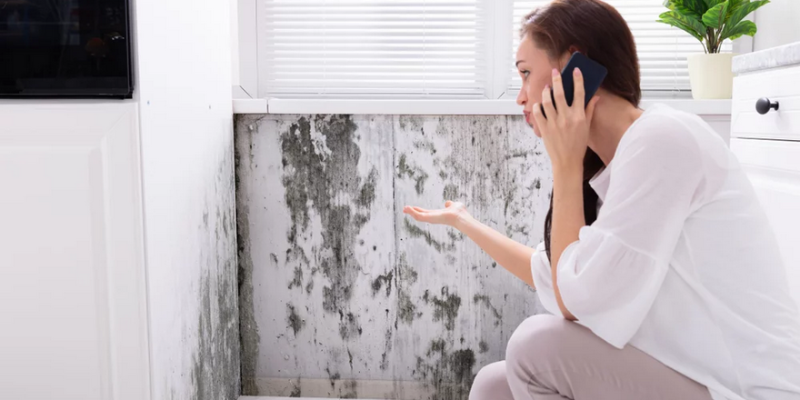
By The sudden discovery of dark spotting across drywall, bubbling paint beneath a windowsill, or an unmistakable musty odor inside an apartment inevitably sparks an urgent and contentious dispute: who is responsible for cleaning it up, and who has to pay for it?
In residential leasing, assigning responsibility for mold remediation is rarely a matter of personal opinion or generic lease boilerplate. Instead, legal and financial liability almost universally hinges on a single forensic principle: identifying the root source of the moisture.
Mold spores exist naturally in virtually every indoor and outdoor environment. They remain dormant, invisible, and completely harmless until they encounter sustained moisture, organic material to feed upon, and suitable temperatures. Because mold cannot grow without water, determining whether the landlord or the tenant must remediate the outbreak depends entirely on what caused that moisture to accumulate in the first place.
The Guiding Legal Standard: The Implied Warranty of Habitability
To understand landlord responsibility, one must first understand the foundational legal doctrine governing residential rentals across nearly every US state: the implied warranty of habitability.
This legal rule requires property owners to provide residential premises that are safe, sanitary, and fit for human occupation throughout the duration of the lease. The warranty is implied by law into every residential lease agreement, regardless of whether it is written into the contract. In fact, in almost all jurisdictions, a landlord cannot contract out of this obligation; any lease clause stating that a tenant accepts the property as-is with respect to serious structural or health hazards is generally void and unenforceable.
Because severe mold infestations can trigger respiratory problems, allergic reactions, asthma attacks, and other chronic health complications, uncontrolled mold frequently breaches the implied warranty of habitability. When an infestation makes a unit unsafe or unfit for human habitation due to structural defects or plumbing failures, the legal obligation to remediate the problem rests squarely on the landlord.
When the Landlord Is Legally Responsible
When mold development stems from the physical structure of the building, aging infrastructure, or deferred maintenance, the landlord is financially and legally obligated to address both the mold itself and the moisture source that caused it.
Structural and Envelope Failures
Property owners are responsible for maintaining the exterior envelope of the building. When weatherproofing fails, the landlord must correct the damage:
-
Roof and gutter failures: Missing shingles, damaged flashing, or overflowing gutters that channel rainwater into attics, crawlspaces, or exterior walls.
-
Foundation and siding cracks: Water seepage through compromised basement walls, masonry cracks, or defective exterior siding.
-
Window and door seals: Deteriorated caulking, damaged window frames, or missing weatherstripping that allows rain and runoff to penetrate wall cavities.
Plumbing and Mechanical Failures
Plumbing infrastructure hidden behind drywall or beneath flooring remains under the exclusive control of the property owner. Landlords bear full responsibility for:
-
Concealed pipe leaks: Slow, persistent pinhole leaks inside walls or ceilings that saturate insulation and wood framing before becoming visible on the surface.
-
Sewer and drain backups: Systemic plumbing blockages or municipal sewer line failures that push contaminated wastewater back into the living quarters.
-
Appliance supply line failures: Faulty plumbing connections to landlord-provided dishwashers, water heaters, or washing machines.
-
HVAC system issues: Malfunctioning air conditioning units, cracked condensate drain pans, or clogged condensation drain lines that dump water directly into closets, ceilings, or air handler enclosures.
Inadequate Ventilation Infrastructure
If a rental unit lacks the mechanical capacity to exhaust standard, daily moisture, the burden falls on the property owner. For example, if a bathroom has neither an operable window nor a functioning mechanical exhaust fan that vents outside, everyday showers will inevitably cause moisture buildup. Landlords are obligated to provide building-code-compliant ventilation that allows normal human activity without inducing fungal growth.
When the Tenant Bears Responsibility
While property owners bear the burden of structural maintenance, tenants carry legal and contractual duties under their lease agreements. Renters are expected to practice reasonable housekeeping, use provided fixtures properly, and prevent avoidable moisture from damaging the landlord’s real property.
When mold results directly from a tenant’s actions, negligence, or lifestyle choices, the tenant can be held financially liable for the cost of professional remediation and structural repairs.
Failure to Promptly Report Water Leaks
One of the most common ways tenants incur liability is through silence. Standard lease agreements obligate tenants to notify management promptly whenever they observe plumbing leaks, water pooling, roof drips, or persistent dampness.
If a tenant notices a slow drip under the bathroom vanity and fails to inform the landlord for four months, allowing the subfloor and drywall to rot and cultivate a toxic fungal colony, the tenant can be held legally negligent. The landlord remains responsible for fixing the original faulty pipe, but the tenant may be billed for the extensive remediation required because their failure to notify allowed the damage to compound unchecked.
Improper Use of Ventilation and Climate Controls
Tenants are expected to use the climate and ventilation equipment provided by the landlord:
-
Ignoring bathroom exhaust fans: Failing to run the exhaust fan during and after hot showers, leading to steam condensing repeatedly on walls, ceilings, and trim.
-
Shutting off heating in freezing weather: Abandoning a property during winter months and turning the thermostat off entirely, leading to frozen and burst water pipes.
-
Altering HVAC airflow: Closing off vital air supply and return vents, causing extreme humidity stratification, temperature differentials, and heavy condensation within specific rooms.
High-Moisture Domestic Practices
Tenants may also be found responsible if they introduce excessive, unvented humidity into the rental unit without taking corrective steps:
-
Unvented clothes drying: Hanging large volumes of damp laundry to dry inside unventilated bedrooms or living areas rather than using a vented dryer or outdoor line.
-
Improper appliance installations: Installing unauthorized, unvented portable washing machines or clothes dryers that dump moist, heated air directly into interior living spaces.
-
Excessive indoor agriculture: Cultivating dozens of indoor plants or running high-powered humidifiers without adequate air exchange, driving relative humidity levels past the critical 60 percent threshold where mold thrives.
-
Neglecting basic surface hygiene: Allowing soap scum, dirt, and water to accumulate on shower tile grout, vinyl shower curtains, or kitchen surfaces without routine household cleaning.
State Laws and the Lack of Federal Mold Standards
Navigating mold disputes can be legally challenging because there are currently no enforceable federal standards establishing safe or unsafe exposure levels for airborne mold spores. Neither the Environmental Protection Agency (EPA) nor the Occupational Safety and Health Administration (OSHA) sets federal statutory maximums for indoor residential mold concentrations.
Consequently, legal authority defaults to state statutes, local municipal codes, and regional judicial precedent.
Certain states have established direct, comprehensive statutory frameworks regarding mold in residential dwellings. In California, for example, the Toxic Mold Protection Act and related health and safety codes classify visible mold growth as a substandard housing condition and an official statutory nuisance if it endangers life, limb, or property, giving local health and housing officers the power to cite landlords directly. States like Virginia and Washington impose explicit statutory requirements on landlords to remediate visible mold and require specific disclosures if mold was present prior to tenancy.
In jurisdictions without specialized mold statutes, courts address mold through the broader lens of municipal building and housing codes. If an inspection by a city health inspector or code compliance officer confirms that a plumbing failure, roof leak, or chronic moisture issue violates municipal sanitation and structural codes, the city can issue formal citations, levy daily fines, and mandate prompt landlord remediation.
Step-by-Step Action Plan for Tenants Facing Mold
If you discover mold inside your rental home, taking the correct administrative and legal steps protects both your personal health and your financial rights.
Document Everything Visually and Chronologically
Before wiping down surfaces or attempting any cleaning, capture high-resolution photographs and videos of the affected areas. Photograph the mold up close, take wide-angle shots to establish location and scale, and document any adjacent signs of water intrusion, such as water stains, peeling paint, or warped floorboards.
Maintain a detailed log recording the date you first noticed the odor or growth, your communications with management, and any related physical symptoms or medical visits.
Deliver Formal Written Notice
Verbal conversations or casual text messages with an on-site property manager rarely carry sufficient weight in a legal dispute. Always submit a formal, written maintenance request detailing the precise location and severity of the problem.
Send this notice through the landlord’s official tenant portal or by certified mail with a return receipt requested. Explicitly request an inspection and remediation by a qualified professional within a specified, reasonable timeframe, typically between 7 and 14 days, depending on local statutory rules.
Utilize Legal Remedies Cautiously
If a landlord refuses to address a severe, structural mold issue after receiving proper notice, tenants generally have access to specific statutory remedies under state law. However, these remedies must be exercised in strict compliance with state procedures to avoid risk of eviction:
-
Repair-and-Deduct: Under specific state laws, a tenant may hire a licensed, professional remediation company to clean up the mold and deduct the verifiable cost directly from their next month’s rent. Most states impose strict financial caps on this remedy (such as an amount equal to one month’s rent) and require strict advance notice.
-
Rent Escrow or Withholding: In some jurisdictions, tenants facing an unaddressed breach of habitability may deposit their monthly rent into a court-supervised escrow account rather than paying the landlord directly. Never withhold rent unilaterally without confirming that your state and local court system expressly permits it; doing so outside legal channels can lead to immediate eviction proceedings for non-payment.
-
Constructive Eviction and Lease Termination: If the mold infestation is so severe that the home is genuinely uninhabitable and poses an imminent threat to human health, the tenant may be legally permitted to break the lease agreement, vacate the premises without penalty, and seek the full return of their security deposit.
-
Reporting to Code Enforcement: Contacting your local city or county building inspection, health, or code enforcement department brings an impartial, official government inspector to the property. If the inspector finds code violations, their formal report creates an indisputable public record that compels the landlord to make immediate repairs.
How Landlords Should Respond to Mold Inquiries
For property owners and property managers, responding to mold claims with speed and professionalism is the most effective way to prevent costly property destruction and shield against personal injury lawsuits.
Avoid the Bleach Trap
A frequent and disastrous mistake made by landlords and maintenance teams is treating visible mold on porous building materials by simply spraying household bleach over it. Bleach is largely ineffective on porous substrates such as drywall, unsealed wood framing, and ceiling tiles. The chlorine component remains on the surface, while the water carrier penetrates deep into the material, effectively feeding the root structure (mycelium) of the mold and causing it to return aggressively within weeks.
Porous surfaces contaminated with heavy mold colonies must be physically removed, discarded, and replaced with clean materials. Non-porous framing lumber must be cleaned using commercial EPA-registered antimicrobials, scrubbed, vacuumed with high-efficiency particulate air (HEPA) systems, and thoroughly dried with commercial air movers and dehumidifiers.
Hire Certified Third-Party Professionals
When an infestation covers more than a small, isolated patch (the EPA recommends professional intervention for areas exceeding 10 square feet), property owners should engage certified mold remediation and inspection specialists accredited by recognized industry organizations, such as the Institute of Inspection, Cleaning and Restoration Certification (IICRC).
A professional remediator will establish negative air pressure containment chambers using heavy plastic sheeting to prevent spores from cross-contaminating the rest of the property during demolition.
Securing a post-remediation clearance test from an independent environmental testing laboratory provides the landlord with conclusive scientific evidence that the property has returned to safe, normal fungal ecology, successfully neutralizing future liability claims.
Implement Clear Lease Disclosures
Landlords should incorporate clear, explicit mold addendums into their standard lease packets. These documents should delineate precisely what the tenant is responsible for regarding daily ventilation, bathroom cleaning, and climate management, while reiterating the tenant’s legal obligation to report leaks, running water, and condensation immediately. Setting operational expectations in writing before move-in significantly reduces ambiguity if a dispute arises later.
Navigating the Gray Areas of Mold Disputes
While the legal rules are clear in extreme cases—such as an unaddressed leaking roof versus a neglected, dirty shower curtain—many rental disputes fall into complex gray areas where causes intermingle.
A frequent example is interior window condensation during cold winter weather. Warm, humid indoor air colliding with single-pane glass produces pooling water on window sills. Is the landlord responsible for failing to provide modern double-pane insulated windows, or is the tenant responsible for generating excessive indoor humidity and failing to wipe down the sills?
Similarly, damp basements in humid regions often develop mold simply due to ambient subterranean ground moisture, even without an active plumbing failure or foundation breach. In these ambiguous scenarios, resolution requires practical compromise rather than costly litigation. Landlords may install commercial-grade dehumidifiers or upgrade mechanical bath fans to high-CFM models that activate automatically via built-in humidity sensors, eliminating reliance on tenant habits. In turn, tenants can commit to running dehumidifiers, maintaining continuous airflow, and keeping sills dry.
Ultimately, preventing mold in a residential rental requires cooperation. The landlord must provide an airtight, watertight, properly plumbed, and well-ventilated structure, while the tenant must maintain clean, reasonable habits and report plumbing or water intrusion issues the moment they appear. When moisture breaks through, assigning responsibility is not about guesswork; it is about tracking the water back to its source and holding the responsible party accountable to fix it.
What is your reaction?
Excited
0
Happy
0
In Love
0
Not Sure
0
Silly
0